
RETETI ELEPHANT SANCTUARY
When in doubt – choose adventure!~Thor F. Jensen
This story has been 3 years in the making probably because when I first went to RETETI elephant sanctuary in 2018, I didn’t feel like I learnt enough to tell it’s story. The sanctuary was two years old and the first batch of rescues were about to be released back to the wild.
Back story
RETETI elephant sanctuary is an elephant orphanage in Namunyak wildlife conservancy in Samburu county. It was established in 2016. Before this, there was only one establishment of this kind in the country that is, David Sheldrick’s wildlife trust in Nairobi National park. Previously, any rescued elephant calf from any part of the country would be taken to Sheldrick’s however, it didn’t make much sense that elephants rescued in northern Kenya would later be re-integrated back into the wild in Tsavo National Park, a completely different landscape with a different climate than where they were first rescued. I prefer not to get into the politics of conservation but the story goes that Sheldrick’s was opposed to the establishment of RETETI. Eventually both parties agreed that all calves rescued north of the equator would go to RETETI while the others would go to Sheldrick’s.
Getting there
Reteti elephant sanctuary is located approximately 200km north of Nanyuki town. The road is pretty straight forward…you stick to the A2 all through towards Marsabit. A few meters after Sereolipi town, there is a left turn onto a 21 km dirt road that leads to the sanctuary. There are clear route markers so its not easy to get lost.
The elephants- Conservation story
In collaboration with local community scouts, KWS and conservation areas in the region RESCUE identifies elephant calves in distress. Here are some of the reasons this happens.
1. Falling into a well. In this case RESCUE tries to reunite the calf with the mother within a 72-hour period. Although this is the preferred outcome, sometimes they are unsuccessful therefore the calf has to be moved to the sanctuary. 2. Human wildlife conflict– the landscape in Northern Kenya is quite vast. Here, a lot of elephants’ roam outside protected areas and share space with human. Sometimes there are conflicts between the two resulting in unfortunate death of ‘mother elephant’. Since the calf cannot survive in the wild alone it must be moved to the sanctuary. 3. Poaching– Although rare in this region, sometimes the mother maybe poached for their tusks leaving their young without a support system. 4. Abandonment– this is also rare but sometimes mothers have abandoned their calves or gotten separated during migration.
There is a board at the reception area that captures each calves name, date rescued, place rescued and the reason for the rescue. If the calf has been released back to the wild, the release date is indicated on the board as well. In most cases calves are named after the conservancy or area where they were rescued but sadly not all make it.
The most outstanding character during my 2018 visit was Shaba and in 2021 it was Long’uro.
Shaba-2018 (now a wild elephant)
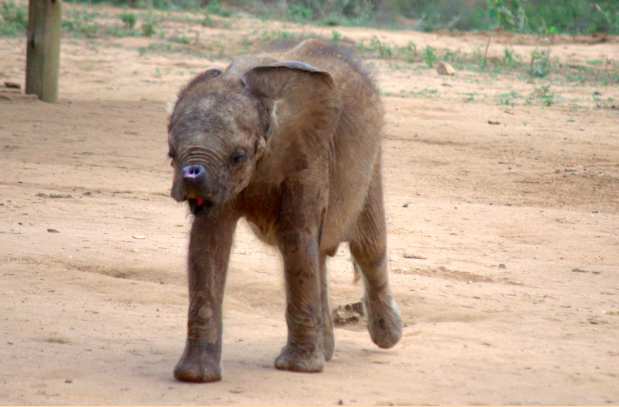
Long’uro -2021
You can read Longuro’s story here as told by Chancellor David, a renowned national geographic photographer.
One of my highlight of this trip was when someone asked why ‘father elephant’ wasn’t featuring anywhere in the calve’s stories and I guess y’all now understand why fathers day is not celebrated as loudly as mothers day. Seriously though elephants are a matriarchal unit so without a mother a calf would definitely not survive in the wild.
Back to the wild
The elephants stay in the sanctuary under the watchful eyes of the keepers until the age of 3. They are then moved to Sera wildlife conservancy where they start the journey back to the wild. By this time, they can fend for themselves but they are monitored through collars as they make the transition. So far a number of elephants have been successfully raised and released back to the wild.
What to expect
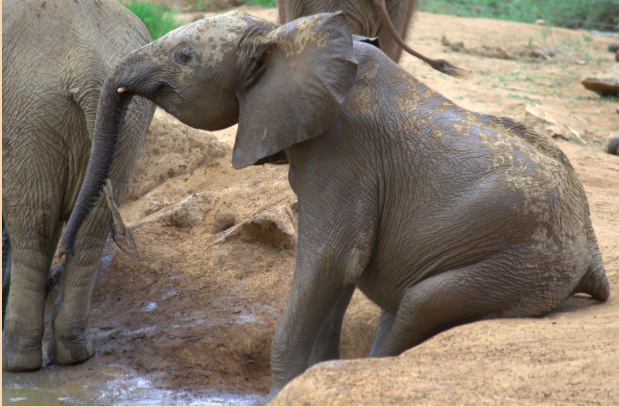
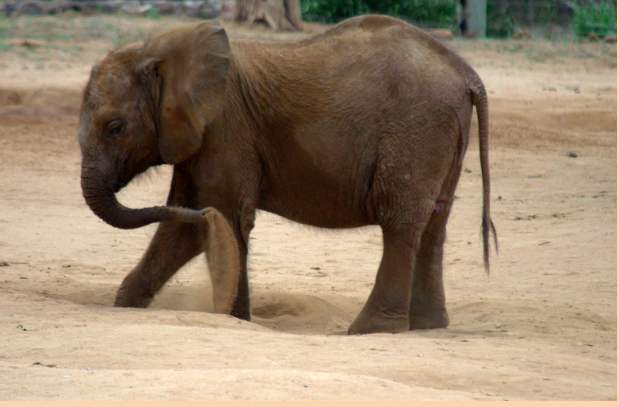
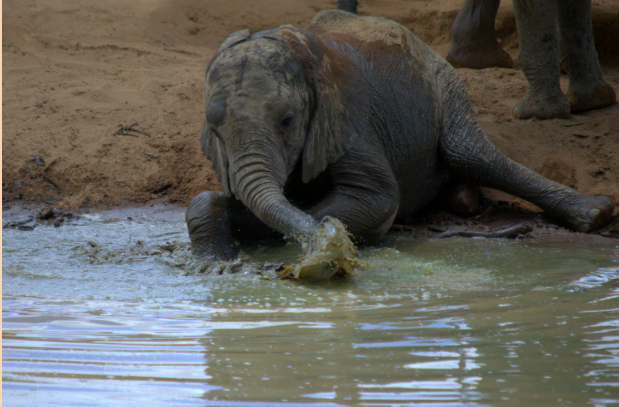
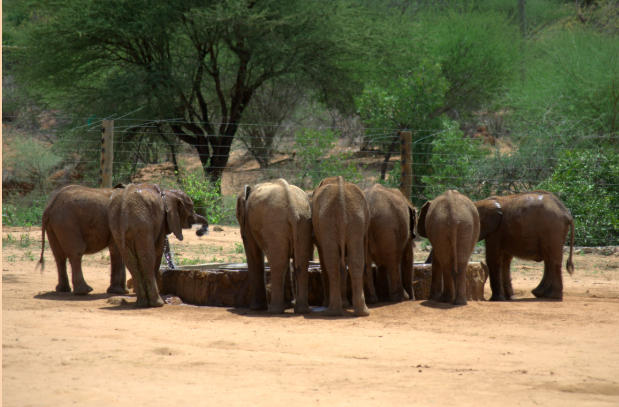
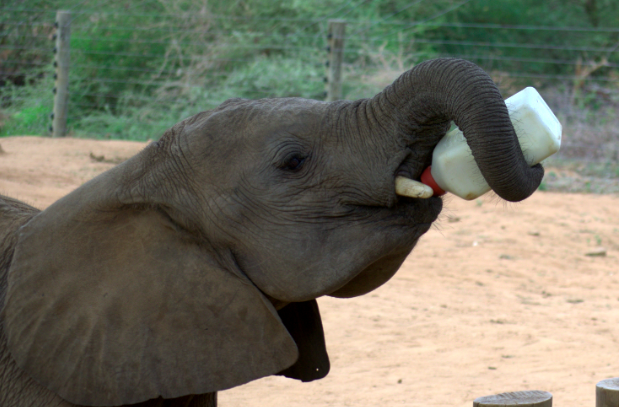
On your visit here you will not only get a briefing about everything I have captured above but also witness the feeding ceremony. This is the highlight of the trip. It’s you want the whole show please keep time. After feeding, the elephants enjoy a mud bath, playing around with the water and bonding with each other before they go out again. You can stick around for this as well.
Snap shot
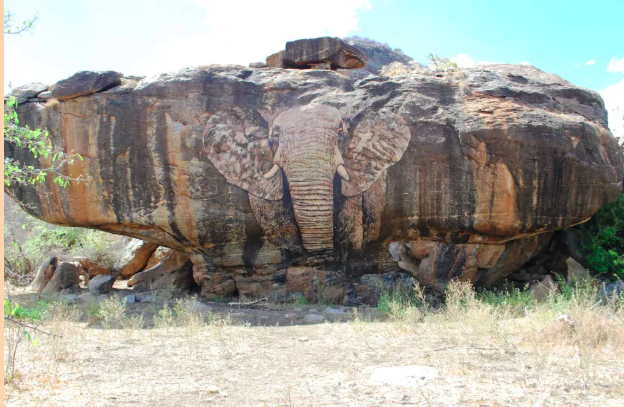
1. RETETI elephant sanctuary is open to visitors within specific time frames 8.30 AM-10.00Am and 11.30 AM- 1.00 PM. These timelines are strict since the elphants are on a schedule 2. There is no volunteer program. The reason behind this is the sanctuary has employees and volunteers from the local community; at the same time the sanctuary tries to limit human-wildlife contact as much as possible because the goal is to keep them wild. 3. The cost per person is Ksh.150.00 for Kenyans and 20 USD for foreigners. 4. You can make your booking by contacting the sanctuary manager directly, NRT tourism or simply send an email to the address on the website. 5. You need a 4WD for the 21KM stretch from the highway 6. There is a giant rock art just around the corner from the sanctuary that is worth checking out. 7. Although RETETI is majorly an elephant Sanctuary, the doors are open to other species. Currently there are 3 reticulated giraffes and a plain zebra.
This trip marked the first official trip for proudly laikipian travels and I would like to thank all 15 of you that made it happen.
For more highlights on this trip check out my Instagram @kuhiwanjohi and @proudly_laikipian
Thank you for reading and I hope to see more of you out here exploring with me. Here are some of the photos from the sanctuary.
Until next time, Asante & Love always. Kuhi
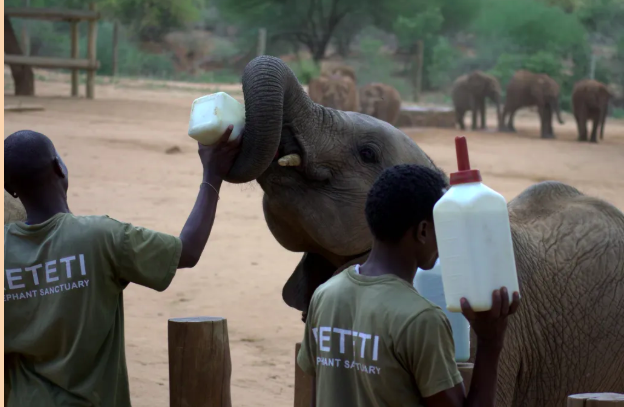

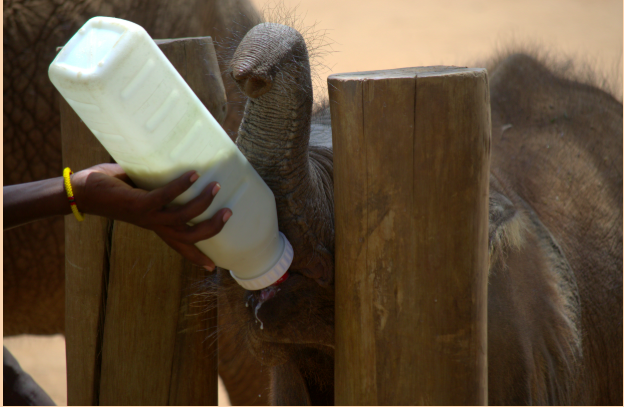
This one had a bottle in the mouth and tried to steal another.
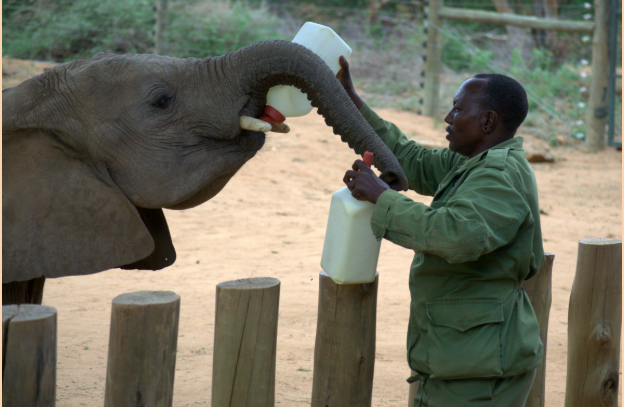
Spa moments after feeding.
Little Long’uro
The tall neighbor
The dream team… Asanteni sana